An Image that took 30 Years to Make
Introduction
The Original Purpose
Back in 1995, I had the opportunity to spend a summer at Penn State, conducting physics research under Dr. Nitin Samarth. I wasn't the typical physics student, and I'm fairly certain Dr. Samarth had no idea how much that research project would influence my life - but that's a story for another time.
We were focused on the quantum-confined Stark effect (QCSE), which studied the light absorption spectrum of a quantum well in the presence of an electric field. We took small wafers, coated them with certain materials, applied an electric field and bounced a laser off of the wafer in a vacuum chamber. By studying the light output, we could determine certain characteristics of the quanum wells.
It was only a three-month research project for me, and we often had some downtime when vacuum systems were pumping the air out of chambers. I usually focused on the software necessary to run our experiments, but I also found some time to make a few of my own unique wafers to test.
After that project ended, I flew home with a small collection of old wafers that we had tested, or that I had experimented with on my own. Those wafers sat in a safe storage box for the past 31 years. Because I valued that project so much, I kept those wafers safe with my most treasured items.
A Good Microscope
Recently, I had the chance to visit my old college physics department at my undergraduate institution. While talking with someone there, I found out they had an old scanning electron microscope they had recently made functional again. To be clear, it was old. Really old. But it worked. Sort of. The microscope was a Hitachi S-3000N, using a desktop computer running Windows 95. It was capable of taking images, but had some issues focusing, likely due to the users (not the machine). It could save one image at a time to a 1.4 mb floppy disk, which could then be put into a portable floppy drive with a USB cable and moved to a more recent machine. But only one image would fit on the disk at a time, so it was tedious to work with if multiple images were obtained.
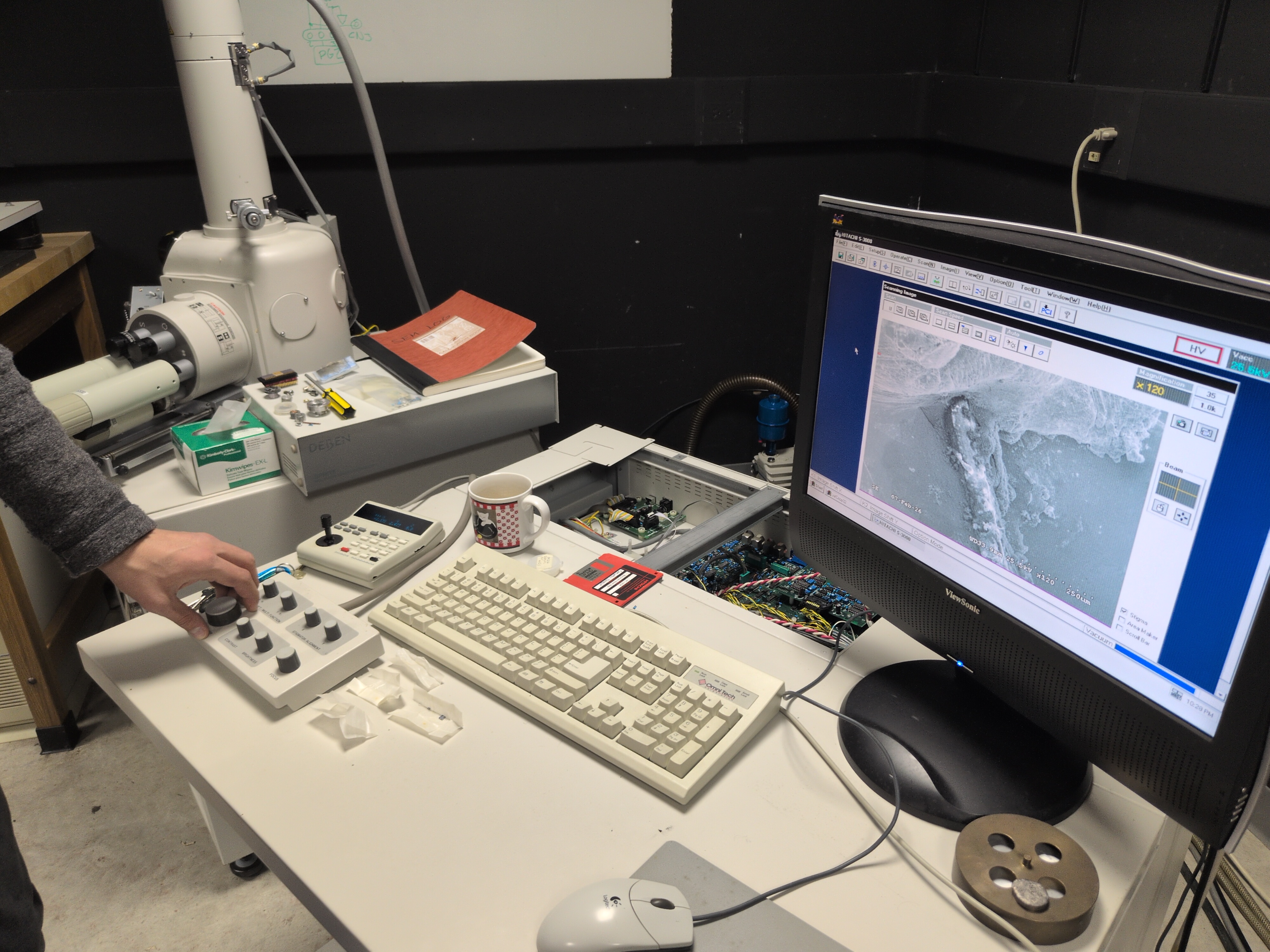
Figure 1: The Hitachi S-3000N Scanning Electron Microscope
I brought a few of my old wafers down to see if we could look at them and see if we could see anything. The surface of each wafer was surprisingly clean with few variations, which wasn't unexpected. However, the edges and locations where we bonded wires to each side of the wafer showed very interesting structures.
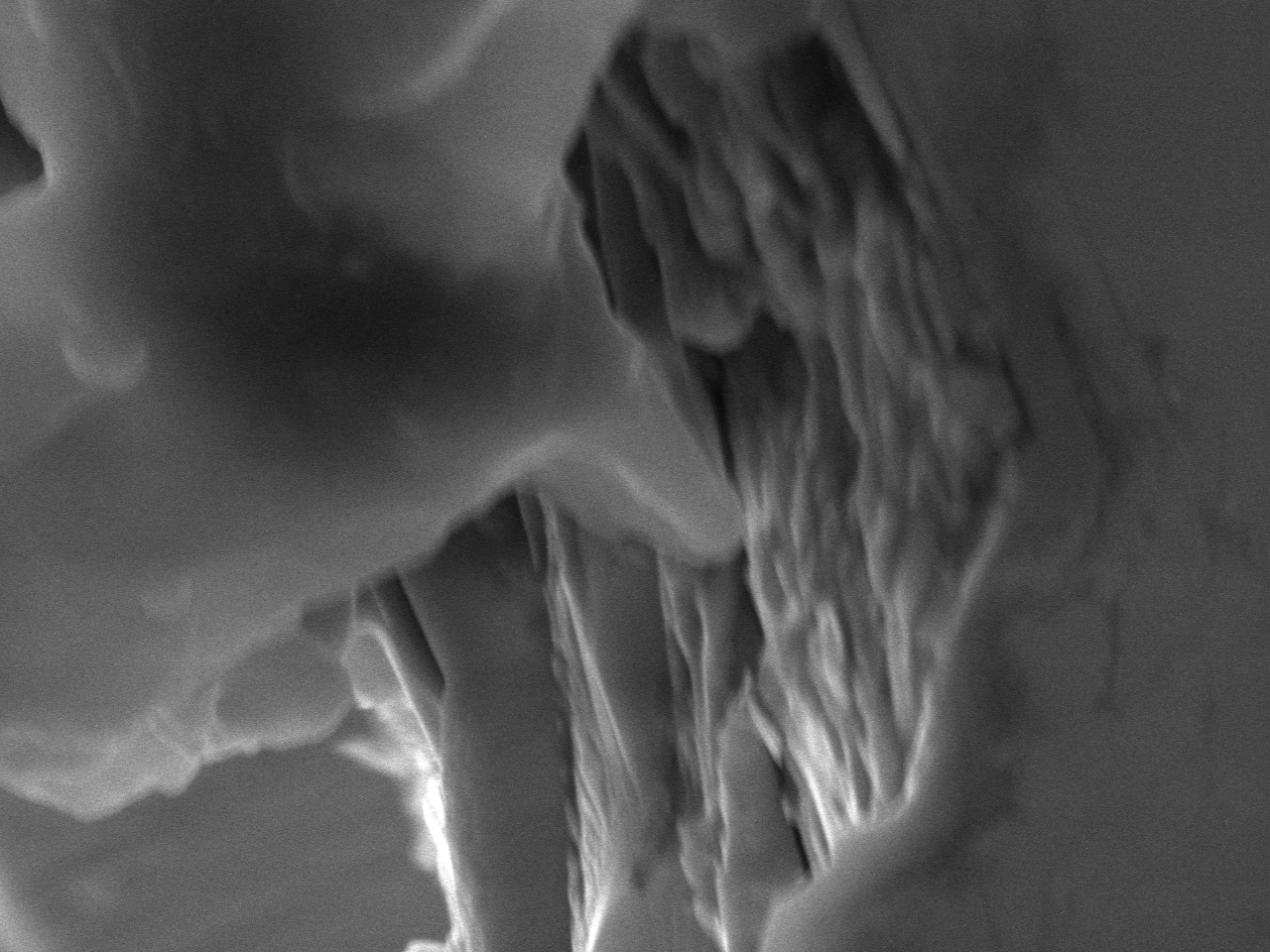
Figure 2: A high-resolution scan of the edge of a wafer
I saved one of the images obtained from the edge of the wafer, likely where we cut or broke it. It was almost 31 years to the day that this image was taken, and it was great to be doing some physics again!
